Fish&Season

Why Seasonal fish?
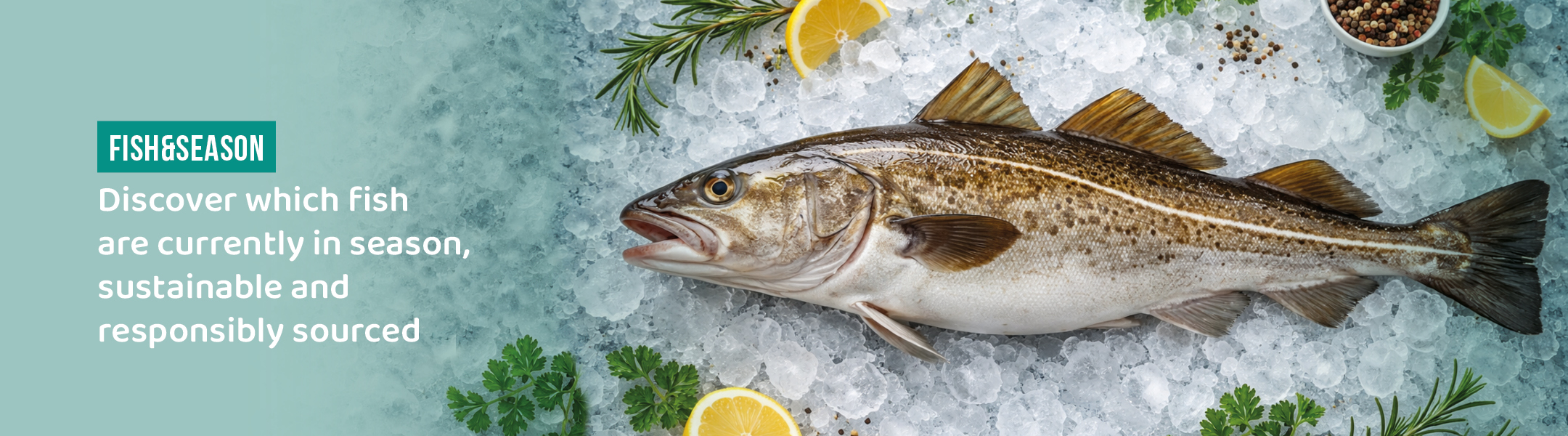
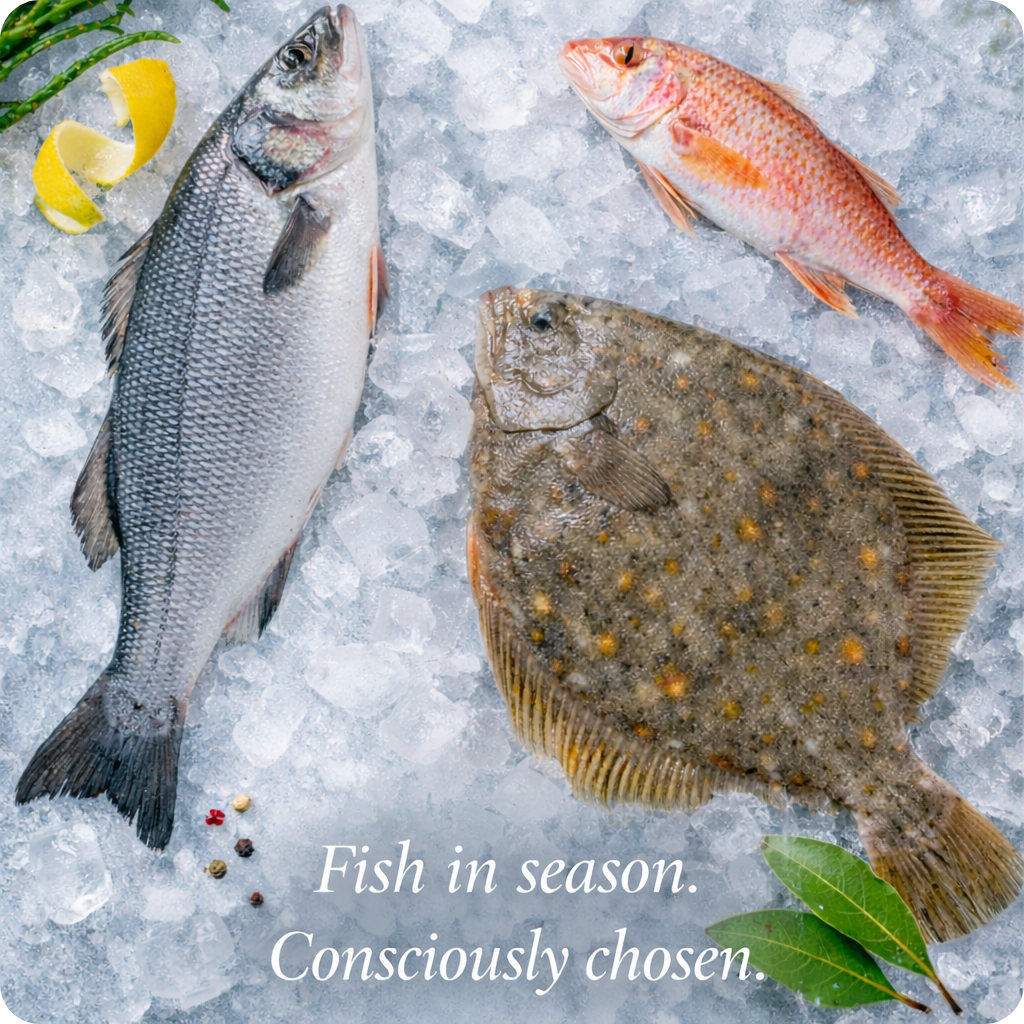
Eating seasonal fish is better for the environment and for the future of fish populations. Even fish with a sustainability label are best left alone during their breeding season. At Vis&Seizoen, we always choose fish that is sustainably caught or farmed and available in its proper season. This way, you enjoy high-quality fish while helping to maintain healthy populations.
Use our yearly calendar to see exactly which fish is responsibly available at any given time.
Impact and utilization of fish
For us, sustainability does not stop at the season or the fishing method. With Vis&Seizoen, we are actively working on developing impact scores for our fish species. These scores aim to provide insight into the impact on the environment, fish populations, and origin. In this way, we are gradually building a more transparent and conscious assortment.
At the same time, we strongly focus on the full utilization of fish. Every part of the fish deserves a purpose, from fillet to head and bones. This reduces waste, expands culinary possibilities, and contributes to a more circular way of working.
In this way, we make sustainability not only visible, but also practically applicable for hospitality, retail, and catering.
Menu card advice
Fish&Season aims to make seafood consumption more sustainable, both at home and in the hospitality industry. Our seafood specialists work closely with chefs to recommend the right fish at the right time of year. They provide practical culinary advice and suggest flavourful sustainable alternatives for your menu, while maintaining healthy margins and uncompromising quality.
Because many restaurants update their menus every season, we developed a menu planning tool to make this easier. It shows which fish are in season and is clearly organised by quarter, helping chefs plan and adjust their menus throughout the year.
Become a Fish&Season partner
As a Fish&Season partner, making your menu more sustainable becomes simple and visible. You receive monthly sustainability insights that show how your seafood purchases perform.
You also immediately meet the requirements of Green Key, the international certification for sustainable businesses in hospitality and tourism. This saves time, strengthens your sustainable reputation and allows you to offer your guests the very best fish of the season.
Fish&Season Inspiration sessions
Stay ahead in seafood
During our Fish&Season inspiration sessions, we take you bake to the source, from farm to kitchen.
Earlier this year, we visited Adri&Zoon, the specialist in North Atlantic fish, shellfish and seafood, and an import link with our Icelandic Catch story. Here, participants experienced firsthand how quality, selection and processing come together.
Previous visits have included:
- Kingfish Company
- Royal Belgian Caviar
- Okura (inspiration lunch at Jan van As)
- Inspiration trip to Iceland
These are not standard company visits, but in-depth experiences focused on origin, seasonality, sustainability and culinary possibilities.
Would you like to join us on the next journey to the source?
Sign up by visenseizoen@janvanas.nl
Sustainability statistics
Insight into your seafood purchasing. Monthly. Practical.
With our sustainability statistics, you receive a clear overview of:
- The fish you order
- How these choices score within the Fish&Season program
- Practical sustainable alternatives
- Where you can improve your selection
You can request detailed sustainability statistics. Each month you will receive a report by email showing exactly which fish you have ordered and whether these fall within the Fish&Season assortment.
The report also includes suggestions for sustainable alternatives. This gives you clear insight into how you can improve the sustainability of your seafood purchasing.


Do you want to receive impact scores?
Sustainable fishing techniques
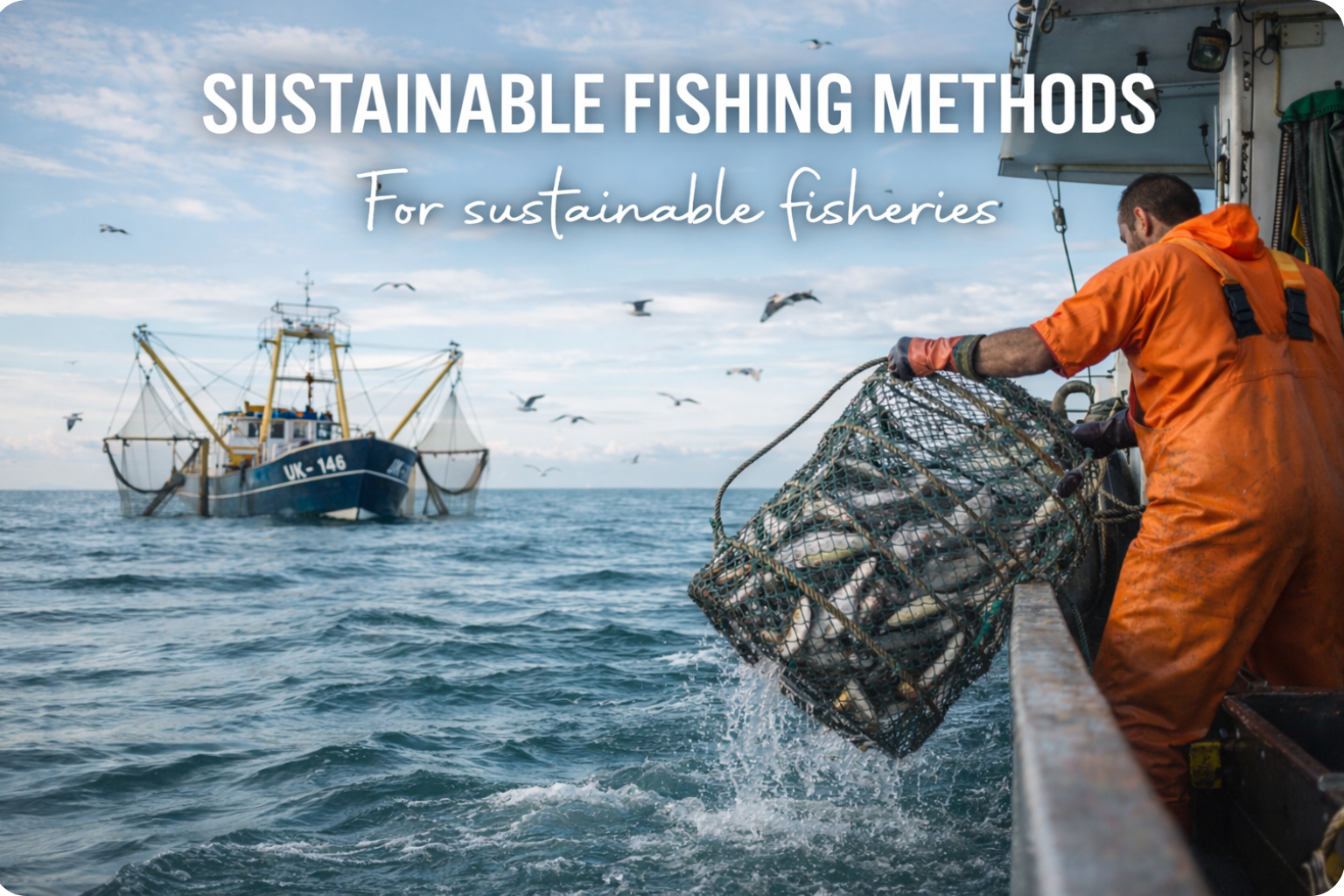
How sustainable a fish is largely depends on the way it is caught. When can we speak of sustainable fishing methods? A fishing method can only be considered sustainable if it causes little to no seabed disturbance and has a lower impact on the environment.
Sustainable fishing techniques are very important, but what happens if fishing takes place during the period when fish are reproducing? To classify a fish species as sustainable, the assessment combines the fishing method used with the status of the fish population.
It is important to know that sustainable fisheries are increasingly being practiced, and many of them are now even seasonally managed.